

Snow and ice are natural phenomena that can have a significant impact on various structures and equipment, and camera towers are no exception. As a supplier of camera towers, I've witnessed firsthand the challenges these weather conditions can pose and the solutions available to mitigate them. In this blog post, I'll delve into how snow and ice affect camera towers, the potential consequences, and what can be done to ensure their continued functionality.
Physical Impact of Snow and Ice on Camera Towers
One of the most immediate effects of snow and ice on camera towers is the additional weight they impose. Snow can accumulate on the tower's platforms, arms, and the cameras themselves. Even a few inches of wet, heavy snow can add a substantial amount of extra load. Ice, on the other hand, can form a thick layer around the tower's structure, further increasing the weight. This additional stress can cause structural damage over time, especially if the tower is not designed to withstand such loads.
For example, excessive weight from snow and ice can lead to bending or even breaking of the tower's poles or arms. This can not only damage the tower itself but also cause the cameras to become misaligned or fall off, rendering them useless for surveillance purposes. Moreover, the added stress on the tower's foundation can lead to instability, increasing the risk of the entire structure toppling over.
Another physical impact is the blockage of camera lenses. Snow can cover the lenses, obstructing the view and preventing the cameras from capturing clear images or videos. Ice can also form on the lenses, creating a hazy or distorted view. In some cases, the freezing and thawing cycles can cause water to seep into the camera housing, leading to internal damage and malfunction.
Electrical and Mechanical Issues
Snow and ice can also cause electrical and mechanical problems in camera towers. Moisture from melting snow and ice can seep into electrical components, such as wiring, connectors, and power supplies. This can lead to short circuits, corrosion, and other electrical failures. For instance, corroded wiring can cause intermittent or complete loss of power to the cameras, resulting in downtime and loss of surveillance data.
In addition, ice can accumulate on moving parts of the tower, such as motors and gears used for tilting, panning, or extending the cameras. This can impede their movement, making it difficult or impossible to adjust the camera's position. The freezing temperatures can also cause the lubricants in these mechanical components to thicken, reducing their efficiency and increasing wear and tear.

Solutions to Mitigate the Effects of Snow and Ice
To address these challenges, there are several measures that can be taken to protect camera towers from the effects of snow and ice. One approach is to design the towers with snow and ice in mind. This includes using materials that are resistant to corrosion and can withstand the additional weight. For example, stainless steel or galvanized steel can be used for the tower's structure, and special coatings can be applied to prevent ice from adhering to the surface.
Heating systems can also be installed on the cameras and critical components to prevent snow and ice buildup. These systems can use electric heaters or hot air blowers to keep the surfaces above freezing temperature. Additionally, hydrophobic coatings can be applied to the camera lenses to prevent water from sticking and forming ice.
Regular maintenance is crucial to ensure the proper functioning of camera towers in snowy and icy conditions. This includes inspecting the towers for any signs of damage or wear, clearing snow and ice from the structure and lenses, and checking the electrical and mechanical components for proper operation. It's also important to have a contingency plan in place in case of power outages or other emergencies.
Our Camera Tower Products and Their Resistance to Snow and Ice
As a camera tower supplier, we offer a range of products that are designed to withstand harsh weather conditions, including snow and ice. Our Foldable Camera Tower is made of high-strength materials and features a robust design that can handle the additional weight of snow and ice. It also has a compact and foldable structure, making it easy to store and transport during the winter months.
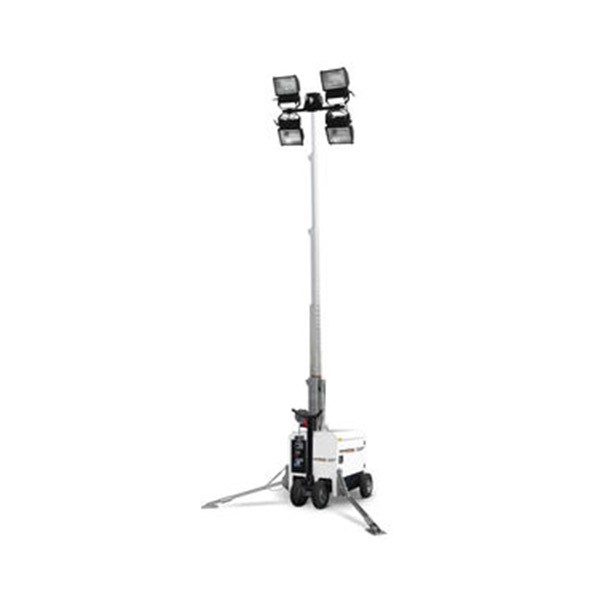
Our Police Car Mobile Camera Telescopic Mast Tower is specifically designed for mobile surveillance applications. It is equipped with a telescopic mast that can be extended to different heights, providing a wide range of view. The mast is made of durable materials and has a protective coating to prevent corrosion and ice buildup.
We also offer a Mobile Video Surveillance System that includes cameras, a power supply, and a monitoring unit. The cameras are equipped with heating systems and hydrophobic coatings to ensure clear vision even in snowy and icy conditions. The system is also designed to be easy to install and operate, making it suitable for a variety of applications.
Conclusion
In conclusion, snow and ice can have a significant impact on camera towers, causing physical damage, electrical and mechanical problems, and reduced functionality. However, by taking appropriate measures, such as designing the towers to withstand these conditions, installing heating systems, and performing regular maintenance, the effects of snow and ice can be mitigated.
As a camera tower supplier, we are committed to providing high-quality products that are reliable and durable, even in the most challenging weather conditions. If you're in the market for a camera tower that can withstand snow and ice, or if you have any questions about our products, please don't hesitate to contact us. We'd be happy to discuss your specific needs and provide you with a customized solution.
References
- "Snow and Ice Loads on Structures" - National Building Code
- "Weatherproofing for Electrical Equipment" - IEEE Standards Association
- "Maintenance of Surveillance Systems in Harsh Environments" - Security Industry Association