

Hey there! As a supplier of antenna telescopic masts, I've been getting a lot of questions lately about whether there are any differences in the performance of masts made from different materials. Well, you bet there are! In this blog post, I'm gonna break it down for you and give you the lowdown on how material choice can impact your mast's performance.

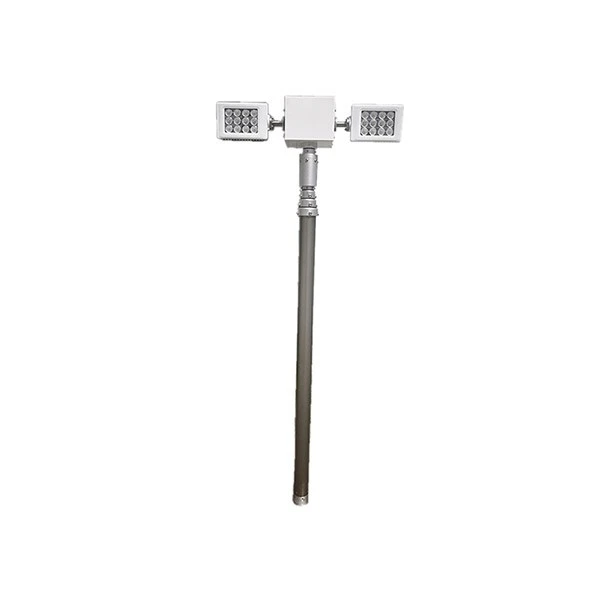
Aluminum Antenna Telescopic Masts
Let's start with aluminum. Aluminum is one of the most popular materials for antenna telescopic masts, and for good reason. First off, it's lightweight. This is a huge advantage, especially if you're looking to mount your mast on a vehicle. A lighter mast means less strain on your vehicle's suspension and less fuel consumption. For example, our Vehicle Mounted Telescopic Mast made from aluminum is super easy to install and won't weigh your vehicle down.
Another great thing about aluminum is its corrosion resistance. Aluminum forms a thin oxide layer on its surface when exposed to air, which protects it from rust and other forms of corrosion. This makes it ideal for outdoor use, whether you're using your mast in a coastal area with salty air or in a humid climate. You won't have to worry about your mast deteriorating over time due to the elements.
In terms of electrical conductivity, aluminum is also a good choice. It allows for efficient transmission of electromagnetic signals, which is crucial for antenna performance. However, it's not as conductive as some other metals like copper, but for most applications, it gets the job done just fine.
Steel Antenna Telescopic Masts
Now, let's talk about steel. Steel is known for its strength and durability. If you need a mast that can withstand high winds, heavy snow loads, or other harsh environmental conditions, steel is the way to go. Our Telescopic Lighting Mast made from steel is built to last and can handle tough situations without bending or breaking.
Steel also has excellent rigidity, which means it can support heavy antennas and other equipment without sagging or vibrating. This is important for maintaining a stable signal and ensuring accurate communication. However, all that strength comes at a cost. Steel is much heavier than aluminum, which can make installation and transportation more challenging. You'll need a sturdy base and proper equipment to install a steel mast safely.
One of the downsides of steel is its susceptibility to corrosion. Unlike aluminum, steel doesn't have a natural protective layer, so it needs to be coated or painted to prevent rust. If the coating gets damaged, the steel can start to corrode, which can weaken the mast over time.
Fiberglass Antenna Telescopic Masts
Fiberglass is another material that's commonly used for antenna telescopic masts. One of the biggest advantages of fiberglass is its non-conductive nature. This makes it ideal for use in areas where there's a risk of electrical interference, such as near power lines or in industrial settings. Our Motorized Telescopic Mast made from fiberglass can help reduce the risk of electrical interference and ensure clear communication.
Fiberglass is also lightweight and easy to handle, similar to aluminum. It's resistant to corrosion and can withstand a wide range of temperatures and environmental conditions. However, fiberglass is not as strong as steel or aluminum, so it may not be suitable for applications that require a high level of structural support.
Carbon Fiber Antenna Telescopic Masts
Carbon fiber is a relatively new material in the world of antenna telescopic masts, but it's quickly gaining popularity. Carbon fiber is incredibly strong and lightweight, making it a great choice for high-performance applications. It has a high strength-to-weight ratio, which means it can support heavy loads while still being easy to install and transport.
Carbon fiber also has excellent stiffness, which helps to reduce vibration and ensure a stable signal. It's resistant to corrosion and can withstand extreme temperatures and harsh environmental conditions. However, carbon fiber is also one of the most expensive materials for masts, so it may not be the best option for budget-conscious customers.
Comparing Performance
So, how do these different materials stack up against each other in terms of performance? Well, it really depends on your specific needs and requirements. If you're looking for a lightweight, corrosion-resistant mast that's easy to install and suitable for most applications, aluminum is a great choice. If you need a mast that can withstand heavy loads and harsh environmental conditions, steel is the way to go. Fiberglass is ideal for applications where electrical interference is a concern, and carbon fiber is best for high-performance applications where weight and strength are critical.
Making the Right Choice
When choosing an antenna telescopic mast, it's important to consider your specific needs and requirements. Think about the environment where the mast will be used, the weight and size of the antenna and other equipment it will support, and your budget. You should also consider the installation and maintenance requirements of the mast.
If you're still not sure which material is right for you, don't hesitate to reach out to us. We're here to help you make the best decision for your needs. Our team of experts can provide you with more information about our products and help you choose the right mast for your application.
Conclusion
In conclusion, there are definitely differences in the performance of antenna telescopic masts made from different materials. Each material has its own unique advantages and disadvantages, so it's important to choose the one that best suits your needs. Whether you're looking for a lightweight aluminum mast, a strong steel mast, a non-conductive fiberglass mast, or a high-performance carbon fiber mast, we've got you covered.
If you're interested in purchasing an antenna telescopic mast, or if you have any questions or need more information, please don't hesitate to contact us. We'd love to work with you and help you find the perfect mast for your application.
References
- "Materials Science and Engineering: An Introduction" by William D. Callister Jr. and David G. Rethwisch
- "Antenna Engineering Handbook" by John L. Volakis, et al.