

Can a camera telescopic mast be used for forest fire monitoring?
Forest fires pose a significant threat to the environment, wildlife, and human lives. Timely detection and monitoring of forest fires are crucial for effective firefighting and minimizing the damage. In recent years, the use of camera telescopic masts has emerged as a potential solution for forest fire monitoring. As a supplier of camera telescopic masts, I will explore the feasibility and advantages of using these masts for this critical application.
How Camera Telescopic Masts Work
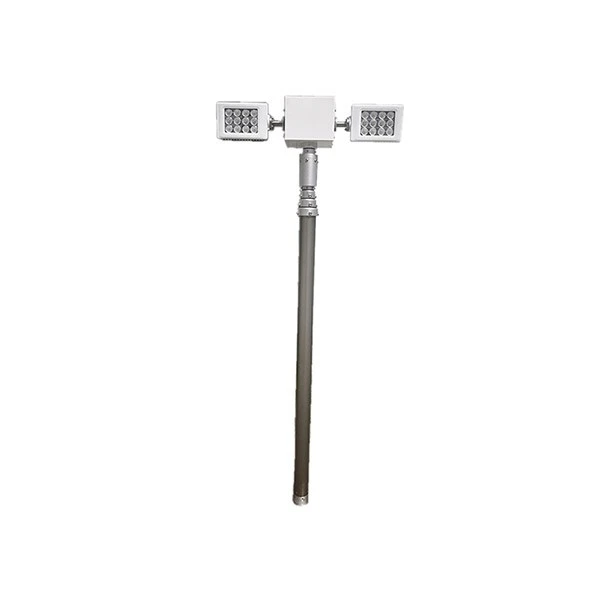
Camera telescopic masts are designed to elevate cameras to a higher position, providing a broader field of view. They are typically made of lightweight yet sturdy materials such as aluminum or fiberglass, allowing for easy transportation and installation. The masts can be extended to different heights, depending on the specific requirements of the monitoring area.
There are several types of camera telescopic masts available, each with its own features and benefits. For example, the Motorized Telescopic Mast offers the convenience of remote control operation, allowing for quick and easy adjustment of the mast height. This is particularly useful in situations where frequent height changes are required.
The Lockable Telescopic Mast provides additional stability and security. It can be locked at different heights, ensuring that the camera remains in a fixed position during monitoring. This is important for maintaining a consistent field of view and accurate data collection.
The Vehicle Mounted Telescopic Mast is designed to be installed on vehicles, providing mobility and flexibility. This allows for on-the-go monitoring of forest areas, making it easier to cover large and remote regions.
Advantages of Using Camera Telescopic Masts for Forest Fire Monitoring
- Enhanced Visibility
By elevating the cameras to a higher position, camera telescopic masts can provide a much wider field of view compared to ground-based cameras. This allows for the detection of forest fires at an earlier stage, even in areas with dense vegetation or difficult terrain. The increased visibility also enables firefighters to better assess the size and spread of the fire, which is crucial for developing effective firefighting strategies. - Real-time Monitoring
Camera telescopic masts can be equipped with high-resolution cameras and sensors that can capture real-time images and data. This information can be transmitted to a central monitoring station, where it can be analyzed by experts. Real-time monitoring allows for immediate response to forest fires, reducing the time between detection and the start of firefighting operations. - Cost-effective
Compared to other methods of forest fire monitoring, such as aerial surveys or satellite imagery, camera telescopic masts are relatively cost-effective. They require less maintenance and can be easily installed and operated. Additionally, the data collected by the cameras can be used for long-term analysis, helping to improve forest fire prevention and management strategies. - Flexibility
Camera telescopic masts can be easily adjusted to different heights and angles, allowing for customized monitoring of specific areas. They can also be moved to different locations as needed, providing flexibility in monitoring large forest areas. This is particularly useful in areas where the risk of forest fires is high or where there are limited access points.
Challenges and Considerations
While camera telescopic masts offer many advantages for forest fire monitoring, there are also some challenges and considerations that need to be addressed.

- Weather Conditions
Forest fires often occur in areas with harsh weather conditions, such as high winds, extreme temperatures, and heavy rainfall. These conditions can affect the performance of the cameras and the stability of the masts. It is important to choose cameras and masts that are designed to withstand these conditions and to ensure proper maintenance and calibration. - Power Supply
Camera telescopic masts require a reliable power supply to operate. In remote forest areas, it may be difficult to access a stable power source. Solar panels or battery packs can be used to provide power, but these need to be carefully designed and installed to ensure sufficient power for continuous operation. - Data Management
The large amount of data collected by the cameras needs to be effectively managed and analyzed. This requires the use of advanced software and algorithms to process the data and identify potential forest fires. It is also important to ensure the security and privacy of the data, as it may contain sensitive information about the forest and its surroundings.
Conclusion
In conclusion, camera telescopic masts have the potential to be a valuable tool for forest fire monitoring. They offer enhanced visibility, real-time monitoring, cost-effectiveness, and flexibility. However, it is important to address the challenges and considerations associated with their use, such as weather conditions, power supply, and data management.
As a supplier of camera telescopic masts, we are committed to providing high-quality products and solutions for forest fire monitoring. Our masts are designed to meet the specific requirements of this application, with features such as high stability, easy installation, and long-lasting performance.
If you are interested in using camera telescopic masts for forest fire monitoring, we invite you to contact us for more information and to discuss your specific needs. We look forward to working with you to protect our forests and prevent the devastating effects of forest fires.