

As a supplier specializing in telecopic camera towers, I often encounter inquiries about the diverse applications of our products. One question that frequently comes up is whether a telecopic camera tower can be effectively used for bridge monitoring. In this blog, I will explore this topic in depth, examining the scientific and practical aspects of using telecopic camera towers for bridge surveillance.
The Importance of Bridge Monitoring
Bridges are vital components of transportation infrastructure, serving as crucial links for vehicles, pedestrians, and freight. However, they are constantly exposed to various environmental factors and loads, which can lead to structural deterioration over time. Monitoring the structural integrity of bridges is essential to ensure their safety, reliability, and longevity. Regular inspections can help detect early signs of damage, such as cracks, corrosion, and deformation, allowing for timely maintenance and repair.
Characteristics of Telecopic Camera Towers
Telecopic camera towers are designed to provide elevated and stable platforms for camera systems. They offer several key features that make them suitable for a wide range of surveillance applications, including bridge monitoring:

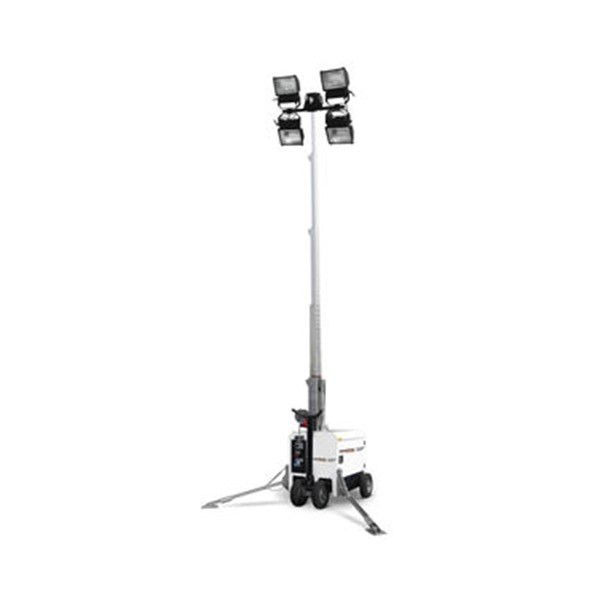
- Height Adjustability: The telescopic design allows the tower to be extended to different heights, enabling cameras to capture panoramic views of the bridge and its surrounding areas. This height flexibility is particularly useful for monitoring large bridges or those with complex geometries.
- Mobility: Many telecopic camera towers are mounted on trailers or other mobile platforms, making them easy to transport and deploy at different bridge sites. This mobility is a significant advantage for temporary or periodic monitoring tasks.
- Stability: Despite their height, telecopic camera towers are engineered to provide a stable base for camera systems. They are often equipped with stabilizing mechanisms, such as outriggers or counterweights, to ensure reliable performance even in windy or challenging conditions.
- Remote Operation: Advanced telecopic camera towers can be controlled remotely, allowing operators to adjust the camera angles, zoom levels, and other settings from a distance. This remote operation capability enhances convenience and safety, especially in situations where access to the tower is limited.
Applications of Telecopic Camera Towers in Bridge Monitoring
Telecopic camera towers can be used in various aspects of bridge monitoring, including:
- Visual Inspection: High-resolution cameras mounted on telecopic towers can provide detailed visual information about the bridge's structure, including its superstructure, substructure, and connections. This visual inspection can help identify surface-level damage, such as cracks, spalling, and corrosion, which may not be easily detectable from the ground.
- Load Monitoring: By placing cameras at strategic locations on the bridge, it is possible to monitor the traffic flow and vehicle loads. This information can be used to assess the bridge's performance under different loading conditions and to identify any abnormal loading patterns that may pose a risk to the structure.
- Environmental Monitoring: Telecopic camera towers can also be used to monitor the environmental conditions around the bridge, such as wind speed, temperature, and water level. These environmental factors can have a significant impact on the bridge's structural integrity, and continuous monitoring can help predict and mitigate potential damage.
- Security Surveillance: In addition to structural monitoring, telecopic camera towers can be used for security purposes. They can provide real-time surveillance of the bridge and its surroundings, helping to detect and prevent unauthorized access, vandalism, and other security threats.
Scientific and Technical Considerations
When using telecopic camera towers for bridge monitoring, several scientific and technical considerations need to be taken into account:
- Camera Selection: The choice of cameras depends on the specific monitoring requirements, such as the desired resolution, field of view, and night vision capabilities. High-resolution cameras are typically preferred for detailed visual inspection, while cameras with wide-angle lenses may be more suitable for panoramic views.
- Data Transmission and Storage: The data captured by the cameras need to be transmitted and stored securely. Wireless communication technologies, such as Wi-Fi or cellular networks, can be used to transmit the data in real-time, while cloud-based storage solutions can provide reliable and scalable data storage.
- Calibration and Accuracy: To ensure the accuracy of the monitoring results, the cameras need to be calibrated regularly. This calibration process involves adjusting the camera settings, such as the focus, exposure, and color balance, to ensure consistent and reliable performance.
- Weatherproofing and Durability: Since the telecopic camera towers are exposed to the elements, they need to be weatherproof and durable. They should be constructed from high-quality materials that can withstand extreme temperatures, humidity, and corrosion.
Integration with Other Monitoring Systems
Telecopic camera towers can be integrated with other monitoring systems, such as sensors, drones, and satellite imagery, to provide a comprehensive and multi-dimensional view of the bridge's condition. For example, sensors can be used to measure the bridge's structural response, such as strain, stress, and vibration, while drones can be used to access hard-to-reach areas of the bridge. The combination of these different monitoring technologies can enhance the accuracy and reliability of the monitoring results, enabling more informed decision-making.
Case Studies
There have been several successful applications of telecopic camera towers in bridge monitoring. For instance, in a large-scale bridge project, telecopic camera towers were deployed along the bridge to provide continuous visual monitoring during the construction phase. The cameras captured high-resolution images of the bridge's construction progress, allowing the project team to monitor the quality of the workmanship and to detect any potential issues early on.
In another case, telecopic camera towers were used for long-term bridge monitoring. The cameras were installed at strategic locations on the bridge to monitor the structural integrity and the traffic flow. The data collected by the cameras were analyzed in real-time, enabling the bridge management team to make timely decisions regarding maintenance and repair.
Conclusion
In conclusion, telecopic camera towers can be a valuable tool for bridge monitoring. Their height adjustability, mobility, stability, and remote operation capabilities make them suitable for a wide range of monitoring tasks, including visual inspection, load monitoring, environmental monitoring, and security surveillance. By integrating telecopic camera towers with other monitoring systems, it is possible to achieve a comprehensive and multi-dimensional view of the bridge's condition, enabling more informed decision-making and ensuring the safety and reliability of the bridge.
If you are interested in using telecopic camera towers for bridge monitoring or other surveillance applications, Telecopic Camera Tower we offer a wide range of high-quality products to meet your needs. Our Mobile Video Surveillance System and Mobile Camera Tower are designed to provide reliable and efficient surveillance solutions. Contact us to learn more about our products and to discuss your specific requirements.
References
- "Bridge Inspection Manual," Federal Highway Administration.
- "Structural Health Monitoring of Bridges: Principles, Techniques, and Applications," CRC Press.
- "Remote Sensing and GIS in Bridge Monitoring," Taylor & Francis Group.