

Hey there! As a supplier of telescopic mast lights, I've gotten a bunch of questions from customers about why these lights sometimes shake. It's a common issue that can be a real headache, but don't worry—I'm here to break down the possible causes and give you some insights.
1. Windy Conditions
One of the most obvious reasons for a telescopic mast light to shake is the wind. When the wind blows, it creates a force on the mast and the light fixture. The taller the mast is extended, the more exposed it is to the wind, and the greater the force. Even a moderate breeze can cause some movement, and strong winds can make the light shake quite violently.
Let's say you've set up a Portable LED Light Tower at a construction site. If the mast is fully extended, it's like a big sail catching the wind. The wind can push against the mast from different directions, causing it to sway back and forth. To make matters worse, gusty winds can create sudden changes in force, which can lead to even more erratic shaking.
To mitigate this issue, it's important to choose a location that's sheltered from the wind as much as possible. If that's not an option, you can consider using guy wires or stabilizers to anchor the mast. These will help keep the mast steady by distributing the wind force and preventing it from tipping over.
2. Uneven Ground
Another culprit behind a shaking telescopic mast light is uneven ground. When the base of the mast isn't level, it can cause the mast to tilt and shake. This is especially true if the ground is soft or unstable.
Imagine you're using a Portable Led Lighting Tower at an outdoor event. If the ground is bumpy or has some dips, the tower might not sit evenly. As a result, the mast can start to wobble as the weight of the light fixture isn't properly distributed.
Before setting up your telescopic mast light, take the time to prepare the ground. Make sure it's as level as possible and free of any debris or obstacles. You can use a leveling tool to check the surface and make adjustments if needed. If the ground is soft, you might want to place a sturdy base plate or platform under the tower to provide more stability.
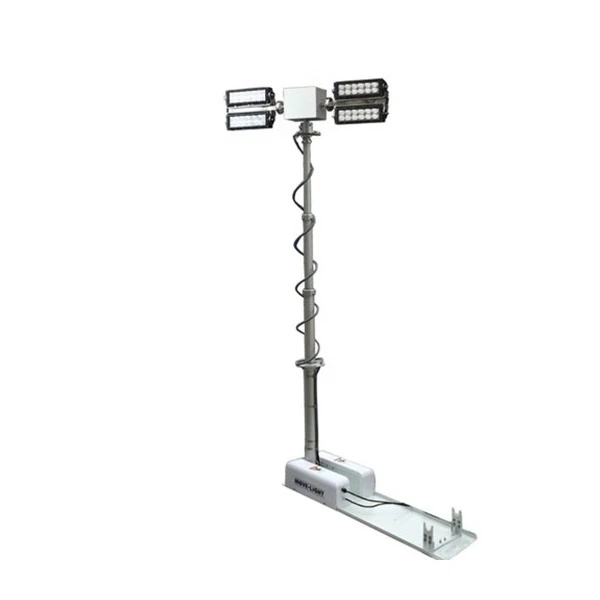
3. Loose or Worn Parts
Over time, the parts of a telescopic mast light can become loose or worn. This can include bolts, nuts, joints, and even the mast sections themselves. When these parts aren't properly tightened or are damaged, they can cause the mast to shake.
For example, if the bolts that hold the mast sections together are loose, the mast can start to rattle and shake. Similarly, if the joints are worn or damaged, they might not provide a secure connection, leading to movement.

Regular maintenance is key to preventing this issue. Make sure to inspect your telescopic mast light regularly and tighten any loose parts. Replace any worn or damaged components as soon as possible. This will not only help reduce shaking but also extend the lifespan of your light.
4. Improper Installation
Sometimes, the problem lies in how the telescopic mast light is installed. If it's not installed correctly, it can lead to instability and shaking.
Let's say you're using a Tripod Lighting Tower. If the legs of the tripod aren't properly adjusted or secured, the tower can be wobbly. Or, if the mast isn't inserted correctly into the base, it might not be stable.
When installing your telescopic mast light, follow the manufacturer's instructions carefully. Make sure all the parts are assembled correctly and tightened properly. If you're not sure how to install it, don't hesitate to ask for help. It's better to get it right the first time than to deal with a shaking light later on.
5. Vibrations from the Light Fixture
The light fixture itself can also cause vibrations that lead to shaking. This can happen if the light bulb or other components inside the fixture are loose or damaged.
For instance, if a light bulb isn't screwed in tightly, it can vibrate when the light is turned on. These vibrations can then be transferred to the mast, causing it to shake.
To fix this issue, check the light fixture regularly and make sure all the components are secure. Replace any loose or damaged bulbs or other parts. You might also want to consider using vibration-dampening materials to reduce the transfer of vibrations from the fixture to the mast.
6. Mechanical Issues
There could be some mechanical issues within the telescopic mast itself that cause shaking. This could include problems with the hydraulic or pneumatic system that extends and retracts the mast.
If the hydraulic fluid is low or contaminated, it can cause the mast to move unevenly or shake. Similarly, if there are leaks in the pneumatic system, it can affect the stability of the mast.
If you suspect a mechanical issue, it's best to have a professional technician inspect the mast. They can diagnose the problem and make the necessary repairs.
How to Minimize Shaking
Now that we've covered the possible causes of a shaking telescopic mast light, let's talk about how to minimize it.

- Choose the Right Location: As mentioned earlier, pick a spot that's sheltered from the wind and has a level surface.
- Regular Maintenance: Inspect your light regularly and tighten any loose parts. Replace worn or damaged components as needed.
- Proper Installation: Follow the manufacturer's instructions carefully when installing the light.
- Use Stabilizers: Consider using guy wires or stabilizers to anchor the mast and provide additional support.
- Check the Light Fixture: Make sure all the components inside the fixture are secure and replace any loose or damaged parts.
If you're still having trouble with a shaking telescopic mast light, don't hesitate to reach out to us. We're here to help you find the best solution for your needs. Whether you're looking for a Portable LED Light Tower, a Portable Led Lighting Tower, or a Tripod Lighting Tower, we've got you covered.
We offer high-quality telescopic mast lights that are designed to be stable and reliable. If you're interested in purchasing one of our products or have any questions, feel free to contact us. We'd love to discuss your requirements and help you find the perfect lighting solution.
References
- Engineering textbooks on structural stability and wind load analysis.
- Manufacturer's manuals for telescopic mast lights.
- Industry standards and guidelines for lighting tower installation and maintenance.