

What is the corrosion resistance of a camera telescopic mast?
As a supplier of camera telescopic masts, I've witnessed firsthand the importance of corrosion resistance in these critical pieces of equipment. Camera telescopic masts are used in a wide range of applications, from surveillance and security to environmental monitoring and communication. These masts often operate in harsh outdoor environments, where they are exposed to various corrosive elements such as moisture, salt, chemicals, and pollutants. Understanding the corrosion resistance of camera telescopic masts is essential for ensuring their long - term performance and reliability.
Corrosive Factors Affecting Camera Telescopic Masts
Moisture and Humidity
Moisture is one of the most common causes of corrosion. When metal components of a camera telescopic mast are exposed to water or high humidity, a chemical reaction occurs. For example, iron in steel masts can react with oxygen in the presence of water to form iron oxide, commonly known as rust. This rust not only weakens the structural integrity of the mast but can also cause mechanical issues, such as jamming of the telescoping mechanism. In coastal areas or regions with high rainfall, the risk of moisture - induced corrosion is significantly increased.
Salt
In marine environments or areas near roads where salt is used for de - icing, salt can accelerate the corrosion process. Saltwater contains ions that can increase the conductivity of water, making it easier for electrochemical reactions to occur on the surface of the mast. The chloride ions in salt can break down the protective oxide layer on metals, exposing the underlying metal to further corrosion. A camera telescopic mast installed near the sea or in a winter - affected area is at a high risk of salt - related corrosion.
Chemicals and Pollutants
Industrial areas often have high levels of chemicals and pollutants in the air. Acids, alkalis, and other chemical substances can react with the metal surface of the mast, causing corrosion. For instance, sulfur dioxide in industrial emissions can dissolve in water to form sulfuric acid, which is highly corrosive to many metals. Pollutants can also accumulate on the mast surface, creating a layer that traps moisture and promotes corrosion.
Materials and Their Corrosion Resistance
Stainless Steel
Stainless steel is a popular choice for camera telescopic masts due to its excellent corrosion resistance. It contains chromium, which forms a thin, passive oxide layer on the surface. This layer protects the underlying metal from further oxidation and corrosion. Different grades of stainless steel offer varying levels of corrosion resistance. For example, 304 stainless steel is suitable for general outdoor applications, while 316 stainless steel, which contains molybdenum, provides enhanced resistance to saltwater and more aggressive chemical environments. Our Camera Telescopic Mast made of high - grade stainless steel can withstand harsh coastal and industrial conditions.
Aluminum
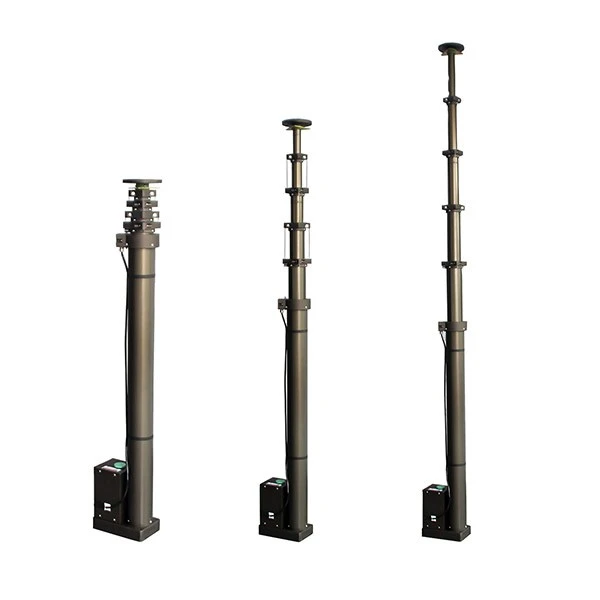
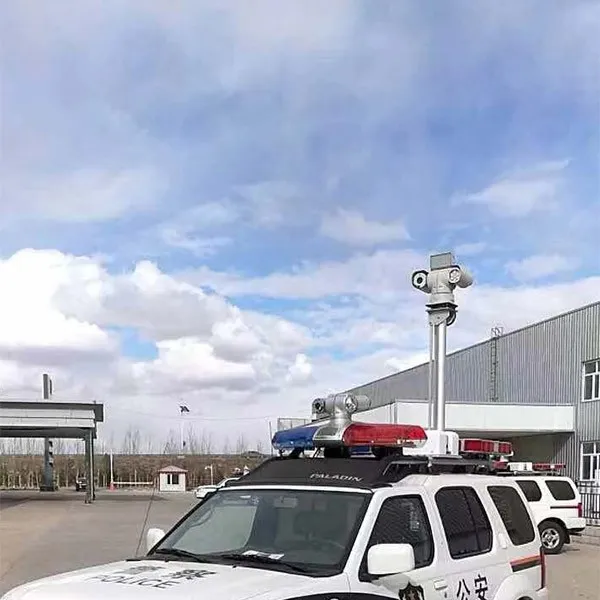
Aluminum is another commonly used material for camera telescopic masts. It forms a natural oxide layer when exposed to air, which provides a certain degree of corrosion protection. Aluminum is lightweight, which is an advantage for mobile or vehicle - mounted applications. However, its corrosion resistance can be affected by factors such as the presence of certain chemicals and the pH of the environment. Anodizing can be applied to aluminum masts to enhance their corrosion resistance. Anodizing creates a thicker and more durable oxide layer on the surface, improving the mast's ability to resist corrosion. Our Vehicle Mounted Telescopic Mast often utilizes anodized aluminum for its combination of light weight and corrosion resistance.
Coated Steel
Coated steel masts are also available in the market. A coating, such as powder coating or galvanizing, can be applied to the steel surface to protect it from corrosion. Galvanizing involves coating the steel with a layer of zinc, which acts as a sacrificial anode. The zinc corrodes first, protecting the underlying steel. Powder coating provides a decorative and protective layer that can resist abrasion, chemicals, and UV radiation. Coated steel masts are cost - effective solutions for many applications where high - end materials may not be necessary.
Testing and Evaluation of Corrosion Resistance
Salt Spray Testing
Salt spray testing is a widely used method to evaluate the corrosion resistance of camera telescopic masts. In this test, the mast sample is placed in a chamber where a salt - water solution is sprayed onto the surface. The sample is then observed for a specific period to determine the extent of corrosion. The time it takes for visible corrosion to appear can be used as an indicator of the mast's corrosion resistance. This test simulates the harsh conditions of a marine environment and helps manufacturers ensure that their masts meet the required standards.
Immersion Testing
Immersion testing involves submerging the mast sample in a corrosive solution for a certain period. This test can be used to evaluate the long - term corrosion resistance of the mast in a liquid environment. By analyzing the changes in the sample's weight, appearance, and mechanical properties after immersion, manufacturers can assess the effectiveness of the materials and coatings used in the mast.
Maintenance and Corrosion Prevention
Regular Inspection
Regular inspection of camera telescopic masts is crucial for early detection of corrosion. Inspectors should look for signs of rust, discoloration, or damage to the protective coating. Early detection allows for timely maintenance and repair, preventing the corrosion from spreading and causing more significant damage.
Cleaning
Cleaning the mast regularly can remove dirt, salt, and other contaminants that can promote corrosion. A mild detergent and water can be used to clean the mast surface. After cleaning, the mast should be dried thoroughly to prevent moisture from remaining on the surface.
Coating Repair
If the protective coating on the mast is damaged, it should be repaired immediately. This can involve reapplying a powder coating or touch - up painting to prevent corrosion from starting at the damaged area.
The Significance of Corrosion Resistance in Camera Telescopic Masts
Long - Term Performance
A camera telescopic mast with good corrosion resistance can maintain its structural integrity over a long period. This ensures that the mast can support the camera and other equipment securely, providing stable and reliable operation. A corroded mast may bend or break, leading to the failure of the entire surveillance or monitoring system.
Cost - Effectiveness
Although masts with high - quality corrosion - resistant materials may have a higher initial cost, they can save money in the long run. Reduced maintenance and replacement costs due to less corrosion - related damage make these masts a more cost - effective choice over their lifespan.
Conclusion
The corrosion resistance of a camera telescopic mast is a critical factor that affects its performance, reliability, and lifespan. As a supplier, we understand the importance of providing masts that can withstand the harsh environments they are likely to encounter. Whether it's a Camera Telescopic Mast for a fixed surveillance site, a Vehicle Mounted Telescopic Mast for mobile applications, or an Inverted Telescopic Mast for specialized uses, we ensure that our products are made from high - quality materials and undergo rigorous testing to meet the highest standards of corrosion resistance.
If you are in the market for a camera telescopic mast and want to discuss your specific requirements, including corrosion resistance needs for your application, we invite you to reach out to us for a detailed consultation and procurement negotiation. We are committed to providing you with the best - suited solutions for your surveillance and monitoring needs.
References
- Jones, D. A. (1992). Principles and Prevention of Corrosion. Prentice - Hall.
- Uhlig, H. H., & Revie, R. W. (1985). Corrosion and Corrosion Control: An Introduction to Corrosion Science and Engineering. Wiley - Interscience.