

When it comes to security and surveillance, camera towers play a crucial role in providing comprehensive coverage of an area. There are two main types of camera towers: fixed and portable. As a supplier of Portable Camera Tower, I am often asked about the differences between these two types of camera towers. In this blog post, I will delve into the characteristics, advantages, and disadvantages of both fixed and portable camera towers to help you make an informed decision for your security needs.
Fixed Camera Towers
Fixed camera towers are permanently installed structures designed to provide continuous surveillance of a specific area. These towers are typically made of sturdy materials such as steel or aluminum and are mounted on a concrete base or other stable foundation. Fixed camera towers are commonly used in large industrial sites, commercial buildings, and public areas where long - term surveillance is required.
Characteristics
- Permanent Installation: Once installed, fixed camera towers are not intended to be moved. They are set up in a strategic location to cover a particular area, such as a perimeter, entrance, or parking lot.
- High - Capacity Equipment: Fixed camera towers can accommodate a large number of cameras, as well as other surveillance equipment such as motion sensors, infrared lights, and audio devices. This allows for a comprehensive and detailed monitoring of the area.
- Power and Connectivity: Since they are fixed, these towers can be connected to a reliable power source and network infrastructure. This ensures continuous operation and high - quality video transmission.
Advantages
- Stability and Durability: Fixed camera towers are built to withstand harsh weather conditions and physical impacts. Their permanent installation provides a stable platform for the cameras, reducing the risk of vibration and movement that could affect the video quality.
- Comprehensive Coverage: With the ability to install multiple cameras and other surveillance devices, fixed camera towers can offer 360 - degree coverage of an area. This is particularly useful for large sites where multiple viewpoints are necessary.
- Long - Term Investment: Although the initial cost of installation is high, fixed camera towers are a long - term investment. They require less maintenance compared to portable camera towers and can provide reliable surveillance for many years.
Disadvantages
- High Installation Cost: The installation of a fixed camera tower involves significant costs, including the purchase of the tower, equipment, and the construction of a foundation. Additionally, professional installation is usually required, which adds to the overall expense.
- Lack of Flexibility: Once installed, it is difficult and costly to relocate a fixed camera tower. This lack of flexibility can be a drawback if the surveillance needs of the area change over time.
- Limited Mobility: Fixed camera towers are not suitable for temporary or changing surveillance requirements. For example, if you need to monitor a construction site during different phases of the project, a fixed camera tower may not be the best option.
Portable Camera Towers
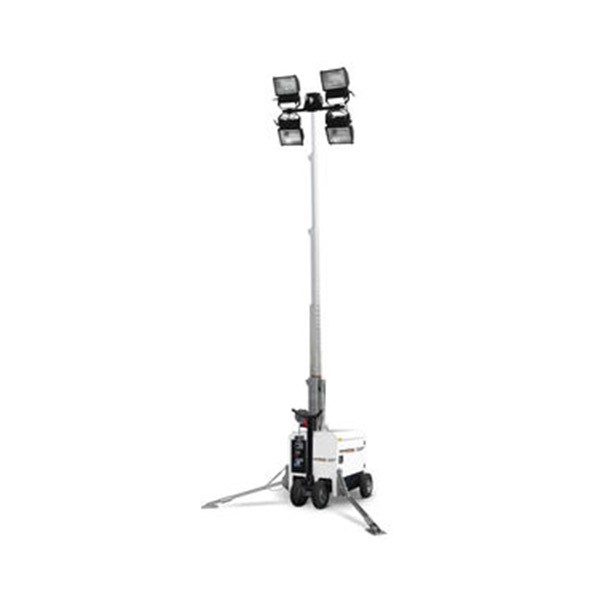
Portable camera towers, on the other hand, are designed for flexibility and mobility. These towers can be easily transported and set up in different locations as needed. As a supplier of Portable Camera Tower, I understand the unique benefits that these towers offer.
Characteristics
- Mobility: Portable camera towers are lightweight and easy to move. They can be transported by a vehicle and set up quickly at the desired location. Some portable camera towers are even designed to be foldable, such as the Foldable Camera Tower, which makes them even more convenient to transport and store.
- Self - Contained Power: Many portable camera towers are equipped with their own power source, such as a battery or a generator. This allows them to operate independently of a fixed power grid, making them suitable for remote or temporary locations.
- Quick Setup: Portable camera towers can be set up in a matter of hours, compared to the days or weeks required for the installation of a fixed camera tower. This is ideal for short - term surveillance projects or emergency situations.
Advantages
- Flexibility: The ability to move the camera tower to different locations makes portable camera towers a versatile solution for various surveillance needs. They can be used for temporary events, construction sites, and security patrols.
- Cost - Effective for Short - Term Use: For short - term surveillance projects, portable camera towers are a more cost - effective option. You can rent or purchase a portable camera tower for the duration of the project, without incurring the high installation costs associated with fixed camera towers.
- Ease of Deployment: Portable camera towers can be quickly deployed in response to changing security needs. This is particularly useful in situations where immediate surveillance is required, such as during a security breach or a natural disaster.
Disadvantages
- Limited Durability: Compared to fixed camera towers, portable camera towers are generally less durable. They are more susceptible to damage during transportation and use, and may require more frequent maintenance.
- Lower Capacity: Due to their size and portability, portable camera towers may not be able to accommodate as many cameras and surveillance devices as fixed camera towers. This can limit the coverage area and the level of detail in the surveillance.
- Power and Connectivity Limitations: While portable camera towers have their own power source, the battery life or generator capacity may be limited. Additionally, establishing a reliable network connection in remote locations can be challenging, which may affect the video transmission quality.
Comparison in Specific Applications
Construction Sites
In a construction site, the needs change over time as the project progresses. Initially, a Portable Camera Tower can be easily moved around the site to monitor different areas. As the site develops and becomes more permanent, a fixed camera tower can be installed for long - term surveillance.

Special Events
For special events such as concerts, festivals, or sports games, portable camera towers are the ideal choice. They can be quickly set up and taken down after the event, providing temporary surveillance without the need for a permanent installation.
Industrial Facilities
Industrial facilities often require continuous surveillance. Fixed camera towers are commonly used for long - term monitoring of the perimeter, production areas, and storage facilities. However, portable camera towers can be used for additional surveillance during maintenance or expansion projects.
Conclusion
Both fixed and portable camera towers have their own unique features, advantages, and disadvantages. The choice between the two depends on your specific security needs, budget, and the nature of the surveillance area. If you require long - term, comprehensive surveillance of a large and permanent site, a fixed camera tower may be the best option. On the other hand, if you need flexibility, mobility, and a cost - effective solution for short - term or changing surveillance requirements, a Portable Camera Tower is the way to go.
As a supplier of portable camera towers, I am committed to providing high - quality products and excellent customer service. Our Portable Camera Towers are designed to be reliable, easy to use, and cost - effective. Whether you are a construction company, an event organizer, or an industrial facility manager, we can help you find the right surveillance solution for your needs.
If you are interested in learning more about our Portable Camera Towers or our Mobile Video Surveillance System, please feel free to contact us. We look forward to discussing your requirements and providing you with a customized solution.
References
- "Surveillance Camera Systems: A Guide to Selection and Installation." Security Industry Association.
- "Portable vs. Fixed Camera Towers: Which is Right for Your Business?" Security Today Magazine.
- "The Future of Surveillance: Trends in Camera Tower Technology." Journal of Security Technology.