

The shape of a mast plays a crucial role in determining the wind load it experiences. As a supplier of antenna telescopic masts, I have witnessed firsthand how different mast shapes interact with the wind and impact the overall performance and durability of the mast. In this blog post, I will delve into the effects of mast shape on wind load, exploring the various factors at play and discussing how these insights can inform the design and selection of antenna telescopic masts.
Aerodynamics and Wind Load
At the heart of understanding the relationship between mast shape and wind load lies the principles of aerodynamics. Aerodynamics is the study of how air flows around objects and how this flow affects the forces acting on those objects. When it comes to masts, the wind exerts a force on the mast surface, known as the wind load. This load can cause the mast to bend, vibrate, or even fail if it exceeds the mast's structural capacity.
The shape of the mast significantly influences the way the wind flows around it, which in turn affects the magnitude and distribution of the wind load. A streamlined shape, for example, allows the wind to flow smoothly around the mast, reducing the drag force and minimizing the wind load. On the other hand, a bluff shape, such as a square or rectangular cross-section, creates turbulence in the wind flow, increasing the drag force and resulting in a higher wind load.
Common Mast Shapes and Their Wind Load Characteristics
Let's take a closer look at some common mast shapes and their wind load characteristics:
Circular Cross-Section
Circular cross-section masts are one of the most aerodynamic shapes available. The smooth, rounded surface allows the wind to flow around the mast with minimal turbulence, reducing the drag force and wind load. Circular masts are also less likely to experience vortex shedding, a phenomenon where the wind creates alternating vortices on either side of the mast, causing it to vibrate. This makes circular masts a popular choice for applications where wind resistance is a critical factor, such as in high-wind areas or for tall masts.
Square or Rectangular Cross-Section
Square or rectangular cross-section masts are more commonly used in applications where simplicity and ease of construction are important. However, these shapes are less aerodynamic than circular masts and are more prone to wind-induced vibrations. The sharp corners of square or rectangular masts create turbulence in the wind flow, increasing the drag force and wind load. Additionally, the flat surfaces of these masts are more likely to experience wind pressure variations, which can lead to uneven loading and potential structural damage.
Triangular Cross-Section
Triangular cross-section masts offer a compromise between aerodynamics and structural efficiency. The triangular shape provides some aerodynamic benefits by reducing the drag force compared to square or rectangular masts. At the same time, the triangular cross-section provides good structural stability and can be more easily fabricated than circular masts. Triangular masts are often used in applications where a balance between wind resistance and cost is required.
Impact of Mast Shape on Wind-Induced Vibrations
In addition to affecting the magnitude of the wind load, the shape of the mast can also have a significant impact on wind-induced vibrations. Wind-induced vibrations can cause fatigue damage to the mast structure over time, leading to premature failure. Therefore, it is important to consider the potential for vibrations when selecting a mast shape.
As mentioned earlier, circular masts are less likely to experience wind-induced vibrations due to their aerodynamic shape. The smooth, rounded surface of circular masts allows the wind to flow around the mast without creating significant turbulence or vortex shedding. In contrast, square or rectangular masts are more prone to vibrations due to the turbulence created by their sharp corners and flat surfaces.
To mitigate the effects of wind-induced vibrations, various damping devices can be installed on the mast. These devices work by dissipating the energy of the vibrations, reducing their amplitude and frequency. Some common damping devices include tuned mass dampers, viscous dampers, and friction dampers.
Considerations for Antenna Telescopic Masts
As a supplier of antenna telescopic masts, I understand the importance of selecting the right mast shape for specific applications. Antenna telescopic masts are often used in a variety of settings, including telecommunications, broadcasting, and surveillance. These masts need to be able to support the weight of the antenna and withstand the wind loads encountered in their operating environment.
When choosing a mast shape for antenna telescopic masts, several factors need to be considered:
Wind Conditions
The wind conditions at the installation site are one of the most important factors to consider. If the site is located in a high-wind area, a more aerodynamic mast shape, such as a circular cross-section, may be required to minimize the wind load and reduce the risk of wind-induced vibrations. On the other hand, if the wind speeds are relatively low, a square or rectangular cross-section mast may be sufficient.
Antenna Requirements
The type and size of the antenna being mounted on the mast also need to be taken into account. Larger antennas may require a more robust mast structure to support their weight and withstand the wind loads. Additionally, the antenna's orientation and radiation pattern may influence the choice of mast shape. For example, a mast with a circular cross-section may be more suitable for antennas that require a 360-degree radiation pattern.
Installation Constraints
The installation constraints at the site, such as available space and access, may also affect the choice of mast shape. In some cases, a square or rectangular cross-section mast may be more practical due to its ease of installation and compatibility with existing structures.
Conclusion
In conclusion, the shape of a mast has a significant impact on the wind load it experiences. A more aerodynamic shape, such as a circular cross-section, can reduce the drag force and wind load, minimizing the risk of wind-induced vibrations and structural damage. On the other hand, a bluff shape, such as a square or rectangular cross-section, can increase the wind load and make the mast more prone to vibrations.
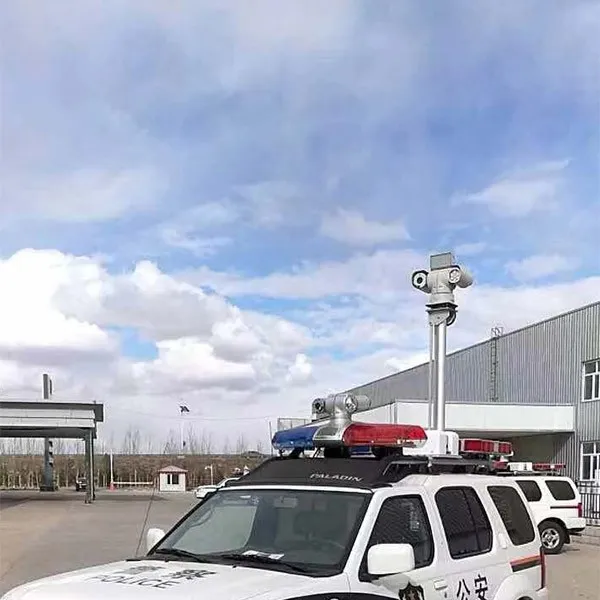

As a supplier of antenna telescopic masts, I recommend carefully considering the wind conditions, antenna requirements, and installation constraints when selecting a mast shape. By choosing the right mast shape, you can ensure the long-term performance and reliability of your antenna system.
If you are in the market for an antenna telescopic mast, I invite you to explore our range of products. We offer a variety of mast shapes and sizes to meet your specific needs. Visit our website to learn more about our Telescopic Mast for Lighting Tower, Telescopic Mast for Camera, and Vehicle Mounted Telescopic Mast. Contact us today to discuss your requirements and let us help you find the perfect mast for your application.
References
- Simiu, E., & Scanlan, R. H. (1996). Wind effects on structures: Fundamentals and applications to design. John Wiley & Sons.
- Davenport, A. G. (1967). Gust loading factors. Journal of the Structural Division, 93(ST3), 11-34.
- Holmes, J. D. (2007). Wind loading of structures. Spon Press.