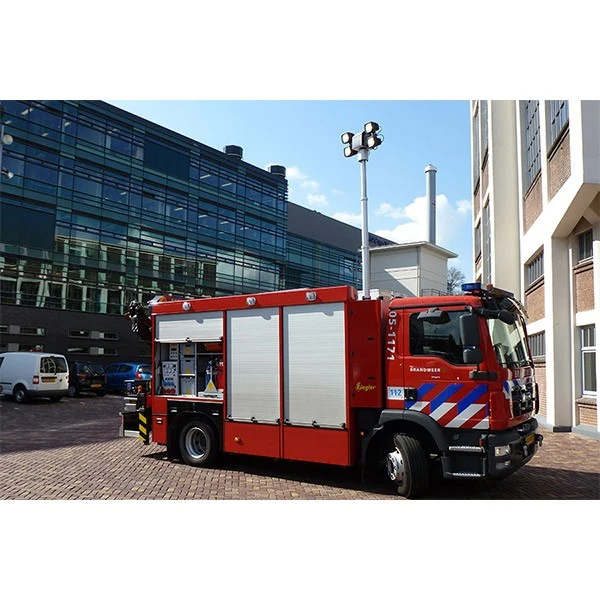
As a supplier of portable camera towers, I've witnessed firsthand the transformative impact these devices have on various industries, from security and surveillance to event management and beyond. One of the most critical aspects of a portable camera tower is its range of motion, which determines the extent to which the cameras can cover an area. In this blog post, I'll delve into the range of motion of cameras on a portable camera tower, exploring the factors that influence it and how it can be optimized for different applications.
Understanding the Range of Motion
The range of motion of cameras on a portable camera tower refers to the extent to which the cameras can move horizontally, vertically, and rotationally. This range is typically measured in degrees and can vary depending on the design and capabilities of the camera tower.
Horizontal Range of Motion
The horizontal range of motion, also known as pan, refers to the ability of the camera to move left and right. Most portable camera towers offer a 360-degree pan range, allowing the camera to cover a full circle around the tower. This is particularly useful for surveillance applications, where a wide field of view is required to monitor a large area.
Vertical Range of Motion
The vertical range of motion, also known as tilt, refers to the ability of the camera to move up and down. The tilt range can vary depending on the design of the camera tower, but it typically ranges from -90 degrees (pointing straight down) to +90 degrees (pointing straight up). A wide tilt range is essential for applications such as monitoring tall buildings or outdoor events, where the camera needs to be able to adjust its angle to capture different perspectives.
Rotational Range of Motion
The rotational range of motion, also known as roll, refers to the ability of the camera to rotate around its axis. While not as common as pan and tilt, some portable camera towers offer a limited roll range, typically up to 360 degrees. This can be useful for applications such as capturing panoramic views or adjusting the camera's orientation to match the lighting conditions.
Factors Affecting the Range of Motion
Several factors can affect the range of motion of cameras on a portable camera tower. Understanding these factors can help you choose the right camera tower for your specific needs and optimize its performance.
Camera Tower Design
The design of the camera tower plays a crucial role in determining the range of motion of the cameras. Some camera towers are designed with a fixed mount, which limits the range of motion to a specific angle. Others feature a pan-tilt-zoom (PTZ) mechanism, which allows the cameras to move freely in all directions. PTZ cameras offer greater flexibility and control, making them ideal for applications that require a wide range of motion.
Camera Type
The type of camera used on the portable camera tower can also affect its range of motion. Some cameras are designed with a fixed lens, which limits the field of view and the range of motion. Others feature a zoom lens, which allows the camera to adjust its focal length and capture images at different distances. Zoom lenses can provide a wider range of motion and greater flexibility, making them ideal for applications that require detailed monitoring.
Environmental Conditions
The environmental conditions in which the portable camera tower is used can also affect the range of motion of the cameras. For example, strong winds or vibrations can cause the camera to shake, which can affect its ability to capture clear images. In addition, extreme temperatures or humidity can damage the camera's components, reducing its range of motion and performance.
Optimizing the Range of Motion
To optimize the range of motion of cameras on a portable camera tower, it's important to choose the right camera tower for your specific needs and ensure that it is installed and maintained properly. Here are some tips to help you optimize the range of motion of your camera tower:
Choose the Right Camera Tower
When choosing a portable camera tower, consider the range of motion required for your application. If you need a wide field of view, look for a camera tower with a 360-degree pan range and a wide tilt range. If you need to capture detailed images at different distances, look for a camera tower with a zoom lens.
Install the Camera Tower Properly
Proper installation is essential for ensuring the optimal performance of your camera tower. Make sure the camera tower is installed on a stable surface and that it is level. In addition, ensure that the cameras are properly aligned and that the cables are securely connected.
Maintain the Camera Tower Regularly
Regular maintenance is essential for ensuring the long-term performance of your camera tower. Clean the cameras regularly to remove dirt and debris, and check the cables and connections for any signs of damage. In addition, ensure that the camera tower is calibrated regularly to ensure accurate performance.
Applications of Portable Camera Towers
Portable camera towers are used in a wide range of applications, including security and surveillance, event management, construction, and more. Here are some examples of how portable camera towers can be used in different industries:
Security and Surveillance
Portable camera towers are commonly used for security and surveillance applications, such as monitoring parking lots, warehouses, and construction sites. The wide range of motion of the cameras allows for comprehensive coverage of the area, making it easier to detect and prevent security breaches.
Event Management
Portable camera towers are also used for event management applications, such as concerts, festivals, and sporting events. The cameras can be used to monitor the crowd, ensure public safety, and capture footage for later review.
Construction
Portable camera towers are used in the construction industry to monitor job sites and ensure compliance with safety regulations. The cameras can be used to monitor the progress of the construction project, detect potential hazards, and provide real-time feedback to the construction team.
Conclusion
The range of motion of cameras on a portable camera tower is a critical factor in determining its effectiveness and performance. By understanding the factors that affect the range of motion and optimizing it for your specific needs, you can ensure that your camera tower provides comprehensive coverage and accurate monitoring. Whether you're using a portable camera tower for security and surveillance, event management, or construction, choosing the right camera tower and maintaining it properly is essential for achieving the best results.
If you're interested in learning more about our Foldable Camera Tower, Mobile Video Surveillance System, or Police Car Mobile Camera Telescopic Mast Tower, please don't hesitate to contact us. We're here to help you find the right solution for your specific needs and provide you with the support and expertise you need to ensure the success of your project.