

Hey there! As a supplier of pneumatic camera towers, I often get asked about the stability of these nifty gadgets. So, let's dive right in and talk about what makes a pneumatic camera tower stable.
First off, what exactly is a pneumatic camera tower? Well, it's a type of tower that uses compressed air to extend and retract. These towers are super handy for a bunch of applications, like surveillance, event monitoring, and even some industrial uses. They can be set up quickly and easily, which is a big plus in many situations.
Now, let's get to the main point - stability. The stability of a pneumatic camera tower is crucial for its proper functioning. After all, you don't want your tower wobbling around or, worse, falling over when it's holding expensive camera equipment.
One of the key factors that contribute to the stability of a pneumatic camera tower is its base design. A good base should be wide and heavy enough to provide a solid foundation. Most pneumatic camera towers come with a tripod - style base. The tripod design distributes the weight evenly across three points, which helps prevent the tower from tipping over. The legs of the tripod are usually adjustable, allowing you to level the tower on uneven ground. This is really important because if the tower isn't level, it can put extra stress on the pneumatic system and make it more prone to instability.
Another important aspect is the materials used in the construction of the tower. High - quality, lightweight yet strong materials are essential. Aluminum is a popular choice for pneumatic camera towers. It's lightweight, which makes the tower easy to transport and set up, but it's also very strong and resistant to corrosion. The strong construction of the tower ensures that it can withstand the forces acting on it, such as wind and the weight of the camera equipment.
The pneumatic system itself also plays a role in stability. A well - designed pneumatic system should be able to maintain a consistent pressure to keep the tower extended at the desired height. If the pressure fluctuates, it can cause the tower to move or vibrate, which is not ideal for getting clear camera footage. Modern pneumatic camera towers often come with pressure regulators and safety valves to ensure that the pressure is stable and within safe limits.
Let's talk about the height of the tower. The taller the tower, the more challenging it is to keep it stable. As the height increases, the wind force acting on the tower also increases. That's why it's important to consider the maximum wind speed that the tower can withstand when choosing a pneumatic camera tower. Some towers are designed to be more resistant to high winds, with special features like aerodynamic shapes or additional stabilizing cables.
Now, let's look at some of the related products that can enhance the functionality and stability of your pneumatic camera tower. You might want to check out our Telecopic Camera Tower. It offers a great combination of height and stability, and it can be a great addition to your surveillance setup.
If you're looking for a more comprehensive solution, our Mobile Video Surveillance System is worth considering. It includes a pneumatic camera tower along with cameras and other monitoring equipment, all in one convenient package. This system is designed to be easily transportable and set up, making it perfect for on - the - go surveillance needs.
And then there's our Mobile Camera Tower. It's specifically designed for mobile applications, with features that ensure stability even when the tower is being moved around.

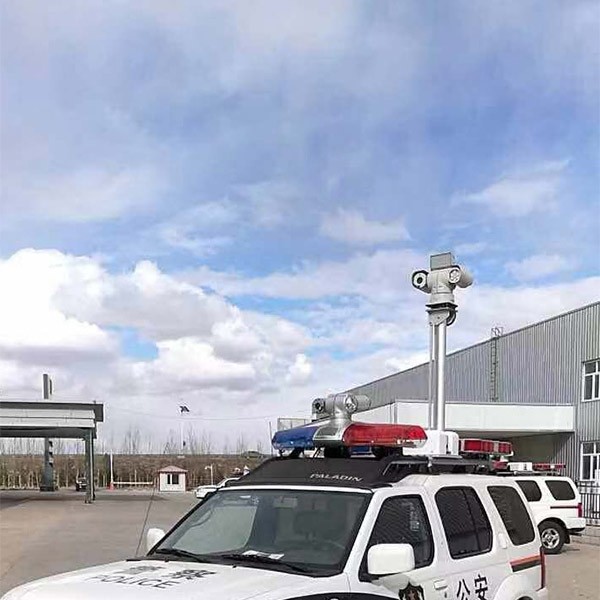
In conclusion, the stability of a pneumatic camera tower depends on several factors, including the base design, materials, pneumatic system, and the height of the tower. By choosing a high - quality pneumatic camera tower and considering these factors, you can ensure that your surveillance setup is reliable and effective.
If you're interested in purchasing a pneumatic camera tower or any of our related products, don't hesitate to reach out. We're here to answer all your questions and help you find the right solution for your needs. Let's start a conversation and see how we can work together to meet your surveillance requirements.
References
- "Engineering Principles of Pneumatic Systems" - A technical guide on pneumatic systems and their applications.
- "Surveillance Equipment Handbook" - A comprehensive resource on different types of surveillance equipment, including camera towers.