

How does the cost of a telescopic camera mast vary with its height?
As a supplier of telescopic camera masts, I've witnessed firsthand the diverse needs and inquiries from our clients. One question that frequently arises is how the cost of a telescopic camera mast varies with its height. In this blog post, I'll delve into the factors that influence the cost-height relationship and provide insights to help you make informed decisions when purchasing a telescopic camera mast.

Understanding the Basics of Telescopic Camera Masts
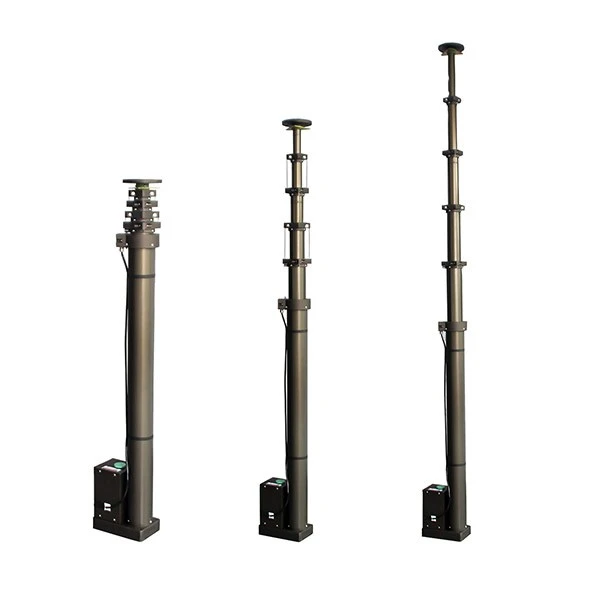
Before we explore the cost implications, let's briefly understand what a telescopic camera mast is. A telescopic camera mast is a vertical structure that can extend and retract, allowing for the elevation of cameras to different heights. These masts are commonly used in various applications, including surveillance, security, event monitoring, and environmental monitoring. They offer the flexibility to adjust the camera's height as needed, providing a wider field of view and better coverage.
There are different types of telescopic camera masts available in the market, such as Vehicle Mounted Telescopic Mast, Camera Telescopic Mast, and Lighting Telescopic Mast. Each type has its own unique features and applications, but they all share the common characteristic of being able to adjust their height.
Factors Affecting the Cost of a Telescopic Camera Mast
The cost of a telescopic camera mast is influenced by several factors, and height is one of the most significant ones. Here are some of the key factors that contribute to the cost variation based on height:
1. Material and Construction
As the height of the telescopic camera mast increases, more material is required for its construction. This includes the metal used for the mast sections, the joints, and the base. Higher masts need to be more robust and durable to withstand the additional stress and wind loads at greater heights. Therefore, the cost of materials increases with height. Additionally, the manufacturing process for taller masts may be more complex, requiring specialized equipment and techniques, which also adds to the cost.
2. Stability and Support
Taller telescopic camera masts require more sophisticated stability and support systems. This may include larger and heavier bases, additional guy wires, or more advanced hydraulic or pneumatic systems to ensure the mast remains stable and upright. These stability features add to the overall cost of the mast. For example, a mast that needs to be deployed in windy conditions or on uneven terrain will require a more robust support system, which will increase the price.
3. Load Capacity
The load capacity of a telescopic camera mast is another important factor. As the height increases, the mast needs to be able to support the weight of the camera and any additional equipment, such as lights or sensors, at a greater height. This requires a stronger and more durable design, which in turn increases the cost. A mast with a higher load capacity will generally be more expensive than one with a lower load capacity, especially when considering taller masts.
4. Installation and Maintenance
Installing and maintaining a taller telescopic camera mast is more challenging and time-consuming than a shorter one. It may require specialized equipment and trained personnel to ensure proper installation and alignment. Additionally, maintenance tasks such as inspection, lubrication, and replacement of parts may be more difficult and costly for taller masts. These installation and maintenance costs are factored into the overall price of the mast.
Cost-Height Relationship
Based on the above factors, it's clear that the cost of a telescopic camera mast generally increases with its height. However, the relationship is not always linear. In some cases, the cost may increase at a faster rate as the height reaches certain thresholds. For example, going from a 5-meter mast to a 10-meter mast may result in a significant increase in cost due to the additional material, stability requirements, and load capacity. But the increase in cost from a 10-meter mast to a 15-meter mast may be even more substantial, as the challenges and requirements become more extreme.
To illustrate this, let's consider a simplified example. Suppose a basic 5-meter telescopic camera mast costs $5,000. As we increase the height to 10 meters, the cost may jump to $10,000 due to the additional material, support, and load capacity requirements. However, if we further increase the height to 15 meters, the cost could reach $20,000 or more, as the need for even more robust construction and stability features becomes critical.
It's important to note that these are just rough estimates, and the actual cost can vary depending on the specific design, features, and brand of the telescopic camera mast. Additionally, market conditions, such as the availability of materials and labor costs, can also affect the price.
Making the Right Decision
When considering the purchase of a telescopic camera mast, it's essential to balance your budget with your specific requirements. Here are some tips to help you make the right decision:
1. Evaluate Your Needs
Determine the maximum height you need for your application. Consider factors such as the area you need to cover, the height of surrounding obstacles, and the type of camera and equipment you'll be using. Don't overestimate the height requirement, as this can lead to unnecessary costs.
2. Compare Different Options
Research and compare different telescopic camera masts from various suppliers. Look at the features, specifications, and prices of each option. Consider the reputation and reliability of the supplier as well. You may also want to read customer reviews and testimonials to get an idea of the quality and performance of the masts.
3. Consider Long-Term Costs
In addition to the initial purchase price, consider the long-term costs of installation, maintenance, and operation. A more expensive mast may offer better durability and lower maintenance costs over time, which can offset the higher upfront investment.
4. Seek Professional Advice
If you're unsure about which telescopic camera mast is right for you, seek the advice of a professional. A supplier or an industry expert can help you assess your needs and recommend the most suitable mast for your application.
Conclusion
The cost of a telescopic camera mast is closely related to its height, with taller masts generally being more expensive due to factors such as material, stability, load capacity, and installation and maintenance requirements. However, by carefully evaluating your needs, comparing different options, and considering the long-term costs, you can make an informed decision and choose a telescopic camera mast that meets your requirements and budget.
If you're interested in purchasing a telescopic camera mast or have any questions about our products, please don't hesitate to contact us. We're here to help you find the best solution for your specific needs.
References
- Industry reports on telescopic mast manufacturing and pricing.
- Technical specifications and brochures from telescopic camera mast suppliers.
- Personal experience and knowledge gained from working in the telescopic camera mast industry.