

As a supplier of telescopic masts, I understand the critical importance of ensuring the performance of these products. Telescopic masts are used in a wide range of applications, from military and security to telecommunications and environmental monitoring. Therefore, rigorous testing is essential to guarantee their reliability, stability, and functionality. In this blog, I will share some key methods and considerations for testing the performance of a telescopic mast.
1. Structural Integrity Testing
The first step in testing a telescopic mast is to assess its structural integrity. This involves checking for any visible defects, such as cracks, dents, or misalignments in the mast sections. A visual inspection can reveal obvious issues that may affect the mast's performance. Additionally, non - destructive testing methods like ultrasonic testing or magnetic particle inspection can be used to detect internal flaws that are not visible to the naked eye.
We can also perform load - bearing tests to evaluate the mast's ability to withstand the expected loads. This is done by applying a gradually increasing load to the mast at its maximum extended height. The load can be in the form of weights or a simulated wind load. During the test, we monitor the mast for any signs of deformation, such as bending or buckling. If the mast shows excessive deformation or fails to support the load, it indicates a problem with its structural design or material quality.
2. Extension and Retraction Testing
One of the most important functions of a telescopic mast is its ability to extend and retract smoothly. To test this, we operate the mast through multiple extension and retraction cycles. For Motorized Telescopic Mast, we check the motor's performance, including its speed, torque, and power consumption. Any abnormal noises or vibrations during the operation may indicate a problem with the motor or the gear system.
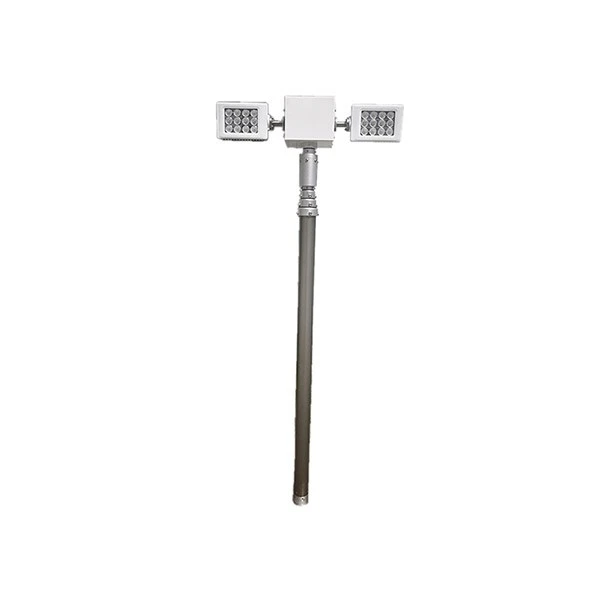
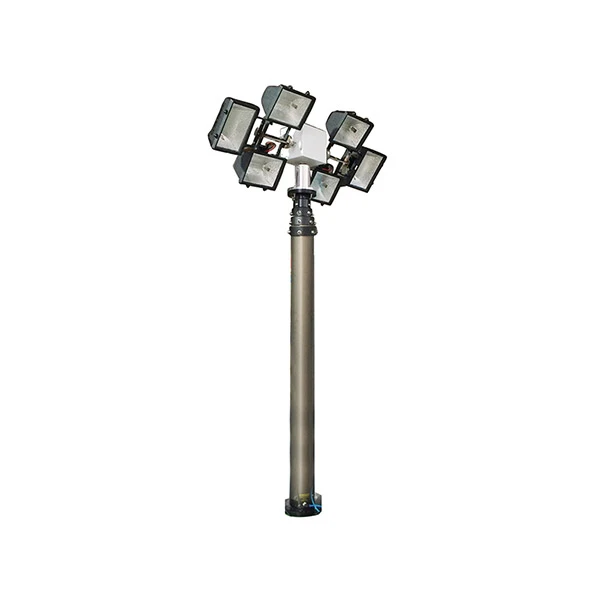
In the case of Pneumatic Telescopic Mast, we test the air pressure system. We measure the pressure required for extension and retraction and ensure that it remains within the specified range. Leaks in the pneumatic system can cause slow or uneven movement of the mast, so we use pressure gauges and leak detection sprays to identify and fix any leaks.
We also measure the time it takes for the mast to fully extend and retract. This information is crucial for applications where quick deployment is required. If the mast takes too long to extend or retract, it may not be suitable for time - sensitive operations.
3. Stability Testing
Stability is a key factor in the performance of a telescopic mast, especially when it is extended to its maximum height. To test stability, we simulate different environmental conditions, such as wind and vibration. For wind testing, we use a wind tunnel or a large fan to create a controlled wind environment. We measure the mast's deflection under different wind speeds and angles. A stable mast should have minimal deflection, even at high wind speeds.
Vibration testing is also important, especially for masts used in mobile applications or in areas with high - frequency vibrations. We use vibration generators to subject the mast to different frequencies and amplitudes of vibration. During the test, we monitor the mast's structural integrity and the performance of any attached equipment. If the mast shows signs of loosening or damage due to vibration, it needs to be redesigned or reinforced.
4. Electrical and Communication Testing (if applicable)
Many telescopic masts are equipped with electrical or communication systems, such as antennas or sensors. For these masts, we perform electrical and communication testing. Electrical testing includes checking the wiring, connectors, and grounding of the electrical system. We measure the electrical resistance, voltage, and current to ensure that the system is functioning properly.
Communication testing involves testing the performance of the antennas or sensors. We measure the signal strength, frequency response, and communication range of the antennas. For sensors, we test their accuracy, sensitivity, and response time. Any issues with the electrical or communication systems can significantly affect the mast's functionality, so it is important to conduct thorough testing.
5. Environmental Testing
Telescopic masts are often used in harsh environmental conditions, such as extreme temperatures, humidity, and salt - water exposure. Therefore, environmental testing is essential to ensure the mast's durability and performance in these conditions.
Temperature testing involves subjecting the mast to both high and low temperatures. We use temperature chambers to control the temperature and monitor the mast's performance. At low temperatures, the mast's materials may become brittle, and the lubricants may thicken, affecting its movement. At high temperatures, the materials may expand, causing misalignments or other issues.
Humidity testing is also important, especially for masts used in coastal or tropical areas. We expose the mast to high - humidity environments for an extended period and check for signs of corrosion or moisture damage. Salt - water exposure testing is similar, but we use salt - water sprays or immersion to simulate the effects of a marine environment.
6. Long - Term Performance Testing
In addition to the above - mentioned tests, long - term performance testing is crucial to ensure the mast's reliability over its expected service life. We operate the mast continuously for an extended period, typically several months or even years, and monitor its performance at regular intervals. This test can reveal any long - term wear and tear issues, such as component fatigue or lubricant degradation.
During long - term performance testing, we also record any maintenance requirements and the frequency of breakdowns. This information can help us improve the design and manufacturing process of the mast and provide better maintenance recommendations to our customers.
Conclusion
Testing the performance of a telescopic mast is a comprehensive process that involves multiple aspects, including structural integrity, extension and retraction, stability, electrical and communication (if applicable), environmental resistance, and long - term performance. As a telescopic mast supplier, we are committed to providing high - quality products that meet the strictest performance standards. By conducting thorough testing, we can ensure that our masts are reliable, durable, and suitable for a wide range of applications.
If you are interested in our Inverted Telescopic Mast, Pneumatic Telescopic Mast, or Motorized Telescopic Mast, or if you have any questions about our testing procedures, please feel free to contact us for further discussion and potential procurement opportunities.
References
- "Telescopic Mast Design and Engineering Handbook", Industry - specific publication
- "Testing Standards for Structural and Mechanical Components", National Standards Organization
- "Environmental Testing Guidelines for Outdoor Equipment", International Environmental Testing Association